A new advanced ship-handling course for captains and senior officers from ZIM Integrated Shipping Services has been launched by the Israeli Maritime Training Authority .
The course focuses on advanced ship-maneuvering principles, particularly in restricted waters, bridge team coordination, and navigation in complex environments. It combines in-depth theoretical instruction with practical exercises using an advanced bridge simulator.
The program is designed to enhance operational readiness, decision-making under pressure, and professional competence for masters and senior deck officers operating in today’s modern maritime environment.
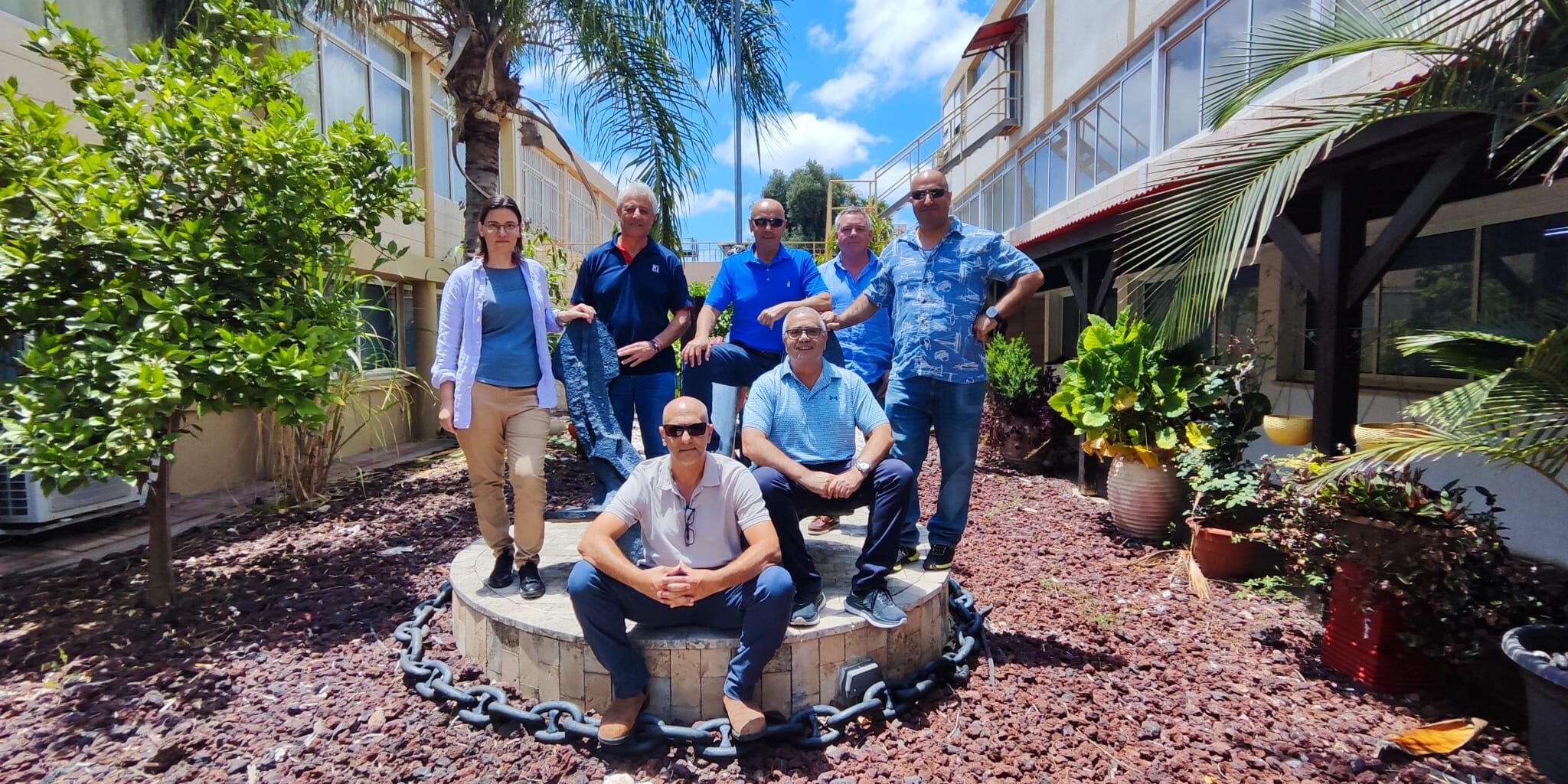
Between January 18–22, 2026, an advanced and specialized ship-handling course was held at the Maritime Training Institute in Acre, designed for Captains and senior officers of ZIM.
In today’s modern shipping environment, maneuvering in confined waters and ports requires not only technical proficiency, but also a deep understanding of physical forces, seamless bridge team coordination, and sound decision-making under pressure.
The Contents of the Course
The course combined in-depth theoretical lectures with intensive hands-on practice on an advanced bridge simulator, focusing on:
- Master–Pilot Interface: Developing a shared passage plan and ensuring clear communication of safety-critical information.
- Shiphandling Physics: Force calculations, the effects of wind, currents, waves, and vessel behavior in shallow waters.
- Tug Operations: Understanding the capabilities and limitations of harbor tugs and optimizing their effective use.
- Emergency & Safety Procedures: Emergency stopping techniques, risk prevention, and rapid response to unexpected situations.
The training was delivered by Capt. Shlomo Uzan, Senior Pilot and Instructor of Israeli Pilots, whose outstanding professionalism and engaging teaching approach fostered meaningful professional dialogue among participants.
Special thanks as well to Tug Master Enosh Aruety, Manager of the Simulation Center, for his valuable contribution to the program’s success.